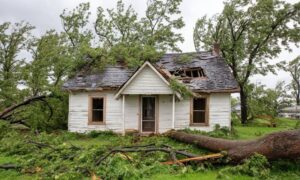
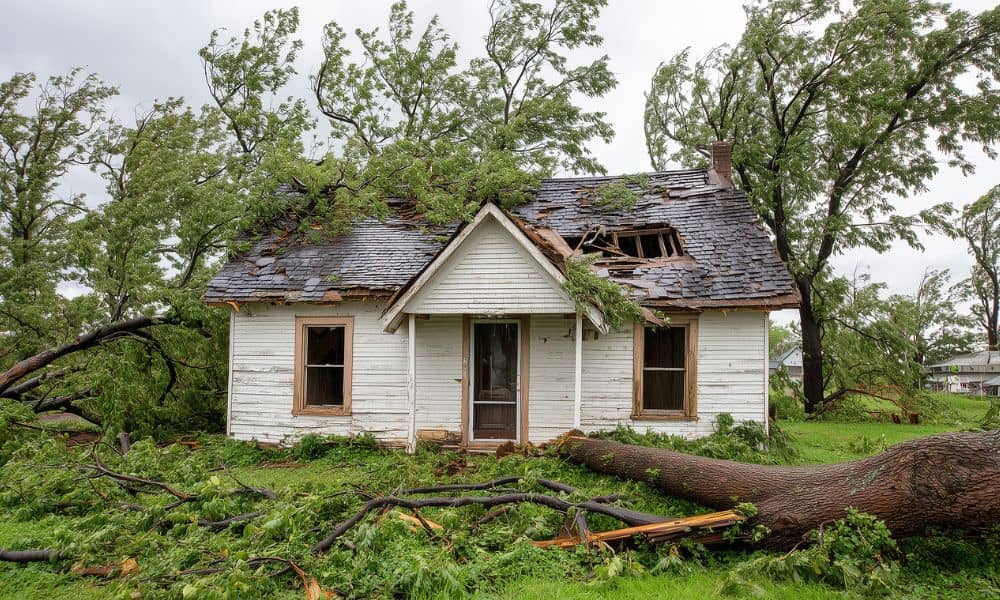
When the recent tornado hit St. Louis, it changed many neighborhoods in minutes. Roofs flew off. Trees snapped. Fences landed in the street. However, the storm did more than cause visible damage. It also erased important landmarks. Many homeowners stepped outside and felt unsure. The fence that marked the yard was gone. The metal corner pin could not be found. The tree that helped show the boundary lay on the ground. Even though the storm caused chaos, one thing did not change: the legal property line. Still, without clear markers, proving that line becomes much harder. That is when a cadastral surveyor becomes very important.
When Landmarks Are Gone, Questions Begin
After a big storm, most people focus on safety and cleanup. That makes sense. However, once repairs begin, questions start to pop up.
Where exactly was the fence? Did the shed sit fully on my property? Did my neighbor rebuild in the right spot?
These questions can cause stress between neighbors. Everyone wants to rebuild fast. Still, no one wants to place a fence or wall in the wrong place.
Even though the legal boundary stays the same, the visible signs of it may disappear. Cleanup crews can disturb corner markers. Heavy equipment can shift soil. As a result, guessing becomes risky.
This is why a cadastral surveyor plays a key role after a tornado.
What Does a Cadastral Surveyor Do?
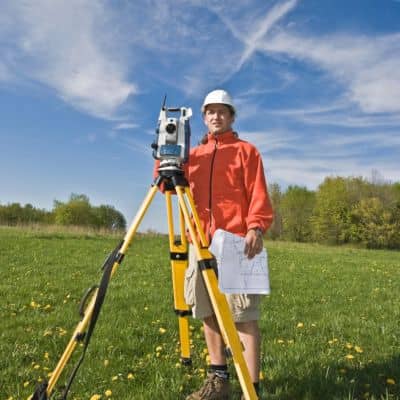
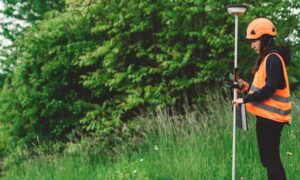
Many people use the word “land surveyor” for any type of survey work. However, a cadastral surveyor focuses on legal property boundaries. This type of surveyor studies deeds, plats, and public records to define ownership lines.
Instead of just measuring land, a cadastral surveyor looks at history. They review old subdivision maps filed in St. Louis. They read deed descriptions. Then, they compare those records with what they find in the field.
In simple terms, they connect the paperwork to the ground.
After a storm, that skill matters more than ever. While fences and trees can disappear, official records remain. A cadastral surveyor uses those records to restore order.
Why Clear Boundaries Matter During Rebuilding
Rebuilding feels urgent after a tornado. Contractors schedule quickly. Insurance adjusters visit properties. However, rushing without checking boundaries can create long-term trouble.
For example, if someone rebuilds a fence in the wrong spot, a neighbor may notice later. What seemed like a small mistake can turn into a big dispute.
Local building permits also require setback rules. A new garage or addition must sit a certain distance from the property line. Without a confirmed boundary, you cannot know if the structure meets the rules.
Insurance claims may also depend on clear lot lines. If damage affects shared fences or drainage areas, companies may ask for proof before paying.
Therefore, checking boundaries early prevents bigger problems later.
When a Corner Marker Goes Missing
One common issue after storms involves missing corner markers. These metal pins show exact lot corners. During cleanup, workers can disturb or bury them.
At first, homeowners may try to measure from memory. However, small errors can move a line several inches or even feet over distance.
A cadastral surveyor takes a careful approach. First, they study old records and plats. Next, they search nearby properties for surviving markers. Even if one corner is gone, others may still exist.
Then, they measure angles and distances between known points. By comparing records with field data, they find the correct location for the missing corner. If needed, they set a new monument and document the work.
Because they follow clear rules, the result stands up legally.
Real Problems Homeowners Face
Since the tornado, many property owners have dealt with similar issues.
Some neighbors rebuilt fences quickly, but placement does not match the old line. Others discovered sheds now sit too close to the boundary. Some commercial lots need rebuilding, yet property edges remain unclear.
In each case, uncertainty causes tension. However, clear survey work replaces opinions with facts.
Instead of arguing over where the line “used to be,” neighbors can rely on certified proof.
Acting Early Protects Your Property
It may seem easier to wait. After all, repairs already cost money. However, waiting can create more risk.
Small boundary mistakes can grow into large legal problems. Future buyers may request updated surveys. Lenders and title companies often want clear records before closing a sale.
On the other hand, hiring a cadastral surveyor early gives peace of mind. Clear documentation protects your investment. Verified boundaries support future improvements. Most importantly, they reduce conflict.
After the Storm, Clarity Brings Confidence
St. Louis has faced storms before, and it will rebuild again. While visible repairs happen first, hidden boundary issues can remain.
When landmarks disappear, doubt replaces certainty. Yet legal property rights do not vanish with broken fences or fallen trees. They stay recorded in official documents.
A skilled cadastral surveyor reconnects those records to the land. Through research, measurement, and proper documentation, they restore what the storm disrupted.
Rebuilding takes time and effort. However, true recovery also requires clarity. After the St. Louis tornado, knowing exactly where your property begins and ends may be one of the most important steps forward.