
If you live in St. Louis, chances are you’ve already heard neighbors talking about it. Property reassessment notices arrived, and many homeowners were shocked. Some saw their property values jump overnight. Others noticed details that didn’t seem quite right. As a result, one question keeps coming up:
Why is the cost of a boundary survey going up right now?
The answer is tied closely to reassessments, rising demand, and how land records really work in older cities like St. Louis.
Property Reassessments Changed the Conversation
Every reassessment cycle forces homeowners to look at their property differently. When values rise, taxes usually follow. That alone creates stress. However, reassessments also push people to look closer at the details behind the numbers.
For many properties, those details include lot size, boundary placement, and land assumptions made years ago. In some cases, the city relies on old plats or estimated measurements. When values were lower, few people questioned them. Now, those same assumptions suddenly feel expensive.
Because of that shift, homeowners are no longer asking if their boundaries are correct. Instead, they are asking how sure they are.
Why Boundaries Matter More When Values Rise
Property value is not just about the house. It includes the land it sits on. If the assessed land size is larger than what you legally own, you may be taxed on ground that isn’t yours.
That’s where boundary surveys come in.
A boundary survey gives a clear, professional picture of where your property lines legally fall. It compares deeds, plats, and physical markers. More importantly, it replaces assumptions with facts.
As reassessments increase values, more homeowners want proof instead of guesswork. Naturally, that pushes demand higher.
Demand Is Rising Fast — and That Affects Cost
When reassessment notices go out, surveyors often see a sudden surge in calls. Everyone wants answers at the same time. This happens in waves, not gradually.
Higher demand creates pressure. Surveyors must balance new requests with existing projects. At the same time, reassessment-related surveys often require deeper research. Older neighborhoods, irregular lots, and historic records take time to review.
Because of that, the property survey cost rises. Not because of shortcuts or price hikes, but because the work itself becomes more complex and time-sensitive.
Older St. Louis Properties Require More Research
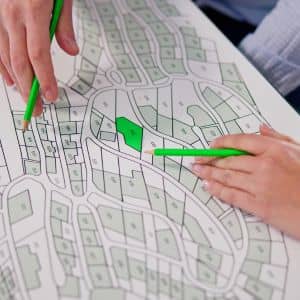
St. Louis has a long development history. Many neighborhoods were platted decades ago. Some parcels changed shape over time. Others rely on monuments that are no longer visible.
As a result, surveyors often need to dig through historic records. They may review multiple plats, compare deeds, and reconcile conflicting descriptions. That extra effort adds hours to the job.
In newer suburbs, boundaries are often clearer. In the city, that’s rarely the case. Therefore, boundary survey costs often run higher than homeowners expect.
Reassessment Appeals Add Urgency
Reassessments also introduce deadlines. If you plan to question your assessed value, timing matters. Waiting too long can limit your options.
Because of that urgency, many homeowners request surveys within the same window. This creates scheduling pressure. Faster turnaround requests often require rearranging crews or prioritizing research.
Although surveys are never rushed carelessly, tighter timelines increase operational strain. Once again, cost reflects the reality of the workload.
When a Boundary Survey Can Help — and When It Won’t
A boundary survey can support a reassessment review in certain situations. For example:
- The assessed lot size does not match your deed
- The city assumes land ownership that overlaps neighboring parcels
- Historic records show inconsistencies
In those cases, accurate boundary data can clarify the issue.
However, not every reassessment problem involves boundaries. Sometimes the increase comes from market trends, not land size errors. A survey won’t change that.
Knowing when a boundary survey makes sense helps homeowners avoid unnecessary expenses. It also builds trust between surveyors and clients.
Budgeting Smarter in a Reassessment Year
In reassessment years, planning ahead matters more than ever. Homeowners often call surveyors after they feel surprised or pressured. Unfortunately, last-minute decisions usually cost more.
Instead, it helps to review your reassessment notice carefully. Compare it to your deed. Look for clear inconsistencies. If something doesn’t add up, then calling a surveyor makes sense.
When requesting quotes, clarity helps. Let the surveyor know why you need the work. That allows them to scope the job accurately and avoid surprises later.
Why Prices Feel Higher Than Before
Many homeowners remember hearing much lower numbers years ago. While those stories may be true, the market has changed.
Demand is higher. Research takes longer. Records are more complex. At the same time, surveyors face higher operating costs, from equipment to staffing.
Because of all that, today’s boundary survey cost reflects current conditions, not outdated expectations.
What Homeowners Can Do Before Calling
Before reaching out to a surveyor, a little preparation goes a long way:
- Review your reassessment notice
- Locate your deed description
- Gather any prior surveys, if available
- Identify exactly what looks inconsistent
This saves time and helps the surveyor focus on what matters most.
The Bigger Picture
Reassessments change how homeowners see their property. What once felt settled now feels uncertain. In that environment, clarity becomes valuable.
Boundary surveys offer that clarity. Rising costs reflect rising demand and deeper research needs, especially in a historic city like St. Louis.
In the end, a boundary survey is not about fear. It’s about accuracy. When property values rise, facts matter more than ever.