If you own property, you may have noticed a new request popping up at the worst time. A lender, insurer, or city office suddenly asks for a FEMA Elevation Certificate, even though nothing has changed on your lot. This can feel confusing and frustrating. However, there is a clear reason this is happening right now. Recent work along the Missouri River has pushed flood risk back into the spotlight, and that attention has reached private properties across the metro area.
Why these requests feel sudden
For many owners, the request seems to come out of nowhere. You may have lived on the same property for years. The house has not moved. The ground has not changed. Yet suddenly, someone wants proof of elevation.
The key issue is timing. When major river and flood-control projects begin, agencies and lenders often review risk more closely. As a result, they want updated and reliable elevation data before they move forward with loans, insurance policies, or permits. That review process makes the FEMA Elevation Certificate more visible, even if it was never requested before.
What’s happening along the Missouri River
Right now, the U.S. Army Corps of Engineers is working on navigation structure repairs near Cora Island along the Missouri River. These repairs focus on river flow, erosion control, and navigation safety. While this work happens on public land and waterways, it affects how water behaves during high-flow events.
River systems are not static. When engineers adjust structures that guide water, they also review how water spreads during storms and floods. Because of this, flood modeling becomes more important during active river projects. That modeling then flows into how risk gets reviewed for nearby areas, including private properties.
How river work reaches private property owners
You might wonder how a project miles away connects to your home or building. The answer lies in risk verification.
When flood-related work is active, lenders and insurers become cautious. They want to confirm that properties meet safety and compliance standards based on current data, not old assumptions. Even if flood maps stay the same, reviewers often ask for elevation proof to support their decision-making.
In other words, the river work does not create new rules. Instead, it pushes existing rules into practice. The FEMA Elevation Certificate becomes the document that answers the question everyone is asking: “Is this property safely above flood levels?”
Why lenders and insurers act first
Property owners rarely request elevation data on their own. Instead, lenders and insurers usually raise the issue because they carry the financial risk tied to the property.
When infrastructure work is active, lenders become more cautious about unknowns. Before they move forward with a loan or release funds, they often want reassurance that the property meets flood-related requirements. In many cases, that reassurance comes in the form of proof of elevation for loan approval, especially when flood exposure is part of the review. Insurers follow a similar approach when they reassess or renew coverage.
Because this happens during formal reviews, owners often hear about the requirement late in the process, which can feel stressful and unexpected. Still, the request is not personal. It reflects how lenders and insurers respond to broader risk signals, not changes to any one property.
Why Kansas City sees more of these requests
Kansas City sits near a major river system with a long history of flood management. Many neighborhoods, industrial areas, and commercial sites developed close to waterways. Because of that, the city feels the effects of river projects faster than inland areas.
In addition, Kansas City has many older properties. Some of them rely on elevation records created years ago. When river activity increases scrutiny, reviewers may decide that older data no longer provides enough confidence. That decision leads directly to new elevation certificate requests.
Why the timing causes frustration
The hardest part for most owners is timing. These requests often appear during:
- Loan closings
- Refinancing
- Insurance renewals
- Permit reviews
At that point, deadlines already feel tight. Adding one more requirement creates pressure. However, the timing follows the review cycle, not the owner’s schedule. Once a property enters formal review, missing data stands out.
Understanding this timing helps reduce frustration. The request does not mean something went wrong. It means someone needs confirmation before moving forward.
What property owners should expect next
Once the question comes up, things usually move quickly. Reviewers pause decisions until they receive clear elevation data. If owners delay, transactions slow down. On the other hand, accurate data often clears the issue right away.
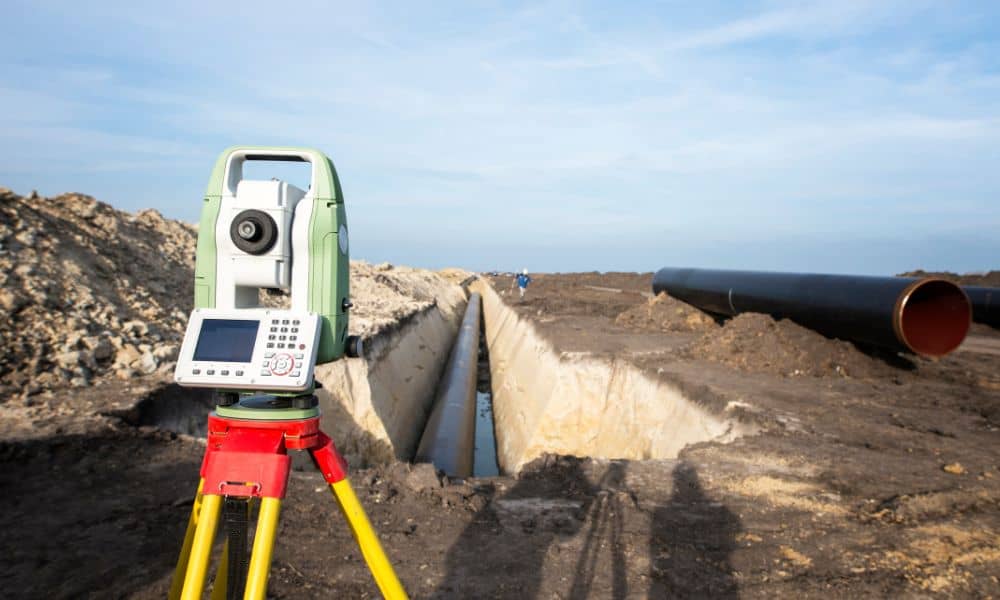
This process highlights the value of professional land surveying. Surveyors provide precise measurements that stand up to scrutiny. During times of river activity, that precision matters even more. Clear data keeps projects moving and reduces back-and-forth questions.
Why this trend will likely continue
Missouri River maintenance does not end with one project. Flood resilience, navigation safety, and erosion control remain ongoing priorities. Because of that, elevation verification will likely become more common, not less.
As cities invest in infrastructure, they also expect better documentation. Over time, this leads to more frequent requests for proof-based data. For property owners, that shift makes elevation awareness part of long-term planning.
The bigger picture behind the paperwork
It helps to step back and see the bigger picture. A FEMA Elevation Certificate does not signal danger by itself. Instead, it provides clarity. It helps lenders, insurers, and cities make informed decisions during times of change.
From a public standpoint, this protects infrastructure investments. From a private standpoint, it protects owners from assumptions and guesswork. Accurate elevation data keeps decisions fair and defensible.
Final takeaway for property owners
If you are suddenly asked for a FEMA Elevation Certificate, you are not alone. Missouri River navigation repairs have pushed flood risk review into focus across Kansas City. That attention flows through lenders, insurers, and permit offices, eventually reaching property owners.
Nothing may have changed on your property. However, the questions around it have. Understanding that connection makes the request easier to handle and easier to explain. In a city shaped by rivers and infrastructure, clear elevation data has become an essential part of moving forward with confidence.