Building a fence sounds simple. Many homeowners picture picking a style, calling a contractor, and installing it along the edge of the yard. However, things often become complicated once the project starts. A fence that sits even a few inches over the property line can cause serious problems with neighbors. Recently, stories about neighbor disputes over fences have spread online and in the news. In many cases, the issue started because someone assumed they knew where the boundary was. Unfortunately, assumptions often lead to mistakes. That is why hiring a surveyor for fence installation before construction begins is one of the smartest steps a homeowner can take.
A professional survey protects your property, prevents disputes, and makes sure your fence stands exactly where it should.
Fence Disputes Are More Common Than You Think
Across the country, fence disputes happen more often than people realize. In fact, many viral homeowner stories start the same way: a new fence goes up, and a neighbor claims it crosses the property line.
Sometimes the problem appears months later. Other times, the issue shows up when one homeowner decides to sell their house. Once a survey takes place, the truth comes out—the fence sits partly on the neighbor’s land.
At that point, the situation quickly becomes stressful.
Neighbors may argue about property rights. Some demand the fence be removed. Others call lawyers to settle the disagreement. Even worse, the homeowner who installed the fence may have to pay to remove and rebuild it.
However, these situations rarely start with bad intentions. Most homeowners simply rely on guesswork. They follow an old fence line, eyeball the property edge, or trust a map online. Unfortunately, none of those methods guarantee accuracy.
Because of this risk, hiring a surveyor for fence placement helps prevent problems before they begin.
Why Property Lines Are Often Misunderstood
Many people believe property lines are easy to spot. However, the truth often surprises homeowners.
First, older fences rarely match the real boundary. Previous owners may have built a fence in the wrong place years ago. As time passes, people assume the fence marks the correct line. In reality, it might sit several feet inside or outside the true property edge.
Second, online maps create confusion. Websites that show property lines often use estimates. They help people view parcels, yet they do not provide exact measurements. Therefore, using these maps to place a fence can lead to mistakes.
Third, property markers may disappear. Surveyors place iron pins or markers at property corners. Over time, landscaping, construction, or soil movement can bury or shift those markers. When homeowners cannot find them, they guess the boundary location.
Finally, older neighborhoods sometimes contain complicated lot layouts. Many areas in St. Louis developed decades ago. As a result, property descriptions may rely on old measurements or historical plats.
For all these reasons, homeowners should rely on a professional surveyor for fence projects rather than assumptions.
What a Surveyor for Fence Installation Actually Does
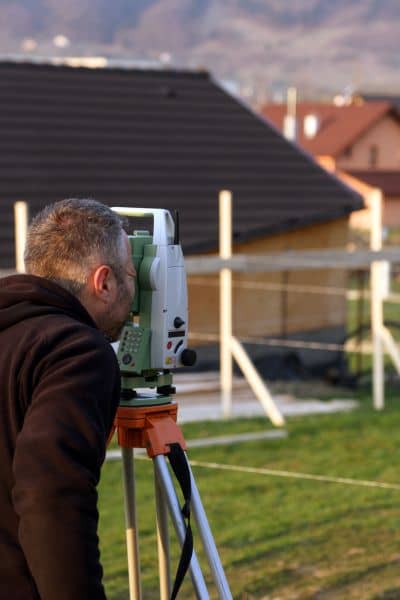
A licensed surveyor performs careful measurements to locate the exact property boundary. This process involves several important steps.
First, the surveyor reviews legal documents tied to the property. These records include plats, deeds, and previous surveys. Each document describes the official boundaries of the land.
Next, the surveyor visits the property and searches for existing corner markers. These markers may appear as iron pins, rebar rods, or other permanent monuments placed during earlier surveys.
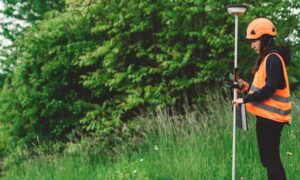
Then the surveyor uses specialized equipment to measure distances and angles across the property. These tools allow surveyors to confirm the exact location of the boundary lines.
Once the measurements are complete, the surveyor marks the corners and property edges clearly. These markings show contractors exactly where the fence should go.
Because of this process, hiring a surveyor for fence installation gives homeowners confidence that their fence stays entirely on their property.
The Risks of Installing a Fence Without a Survey
Skipping a survey may seem like a way to save money. However, the risks often cost far more in the long run.
First, the fence may cross into a neighbor’s yard. Even a small encroachment can create tension between neighbors. If the neighbor objects, the homeowner may need to remove the fence completely.
Second, boundary disputes sometimes turn into legal issues. Property conflicts often involve attorneys, surveys, and court filings. These situations quickly become expensive and stressful.
Third, incorrect fence placement can affect property sales. Buyers often request surveys during the home purchase process. If the survey shows the fence crosses the boundary, the sale may pause until the problem is fixed.
Finally, homeowners may lose time and money rebuilding the fence. Removing posts, digging new holes, and reinstalling materials adds significant cost.
Because of these risks, hiring a surveyor for fence work provides a simple way to avoid costly mistakes.
Why This Matters for St. Louis Homeowners
Fence surveys matter everywhere, yet they hold special importance in many St. Louis neighborhoods.
First, several parts of the city contain older subdivisions. These areas often include small lot differences, historic property descriptions, and fences installed decades ago.
Second, large trees, landscaping, and retaining walls can hide property markers. As a result, homeowners may struggle to identify the true property corners.
Third, home improvement projects continue to grow across St. Louis. Many homeowners install privacy fences, backyard enclosures, or pet fences. Each project requires accurate boundary placement.
Because of these challenges, many homeowners reach out to St. Louis land surveyors before installing a fence. A professional survey helps confirm the true property line and makes sure the fence stays within the legal boundary.
When You Should Hire a Surveyor for Fence Projects
Some situations make hiring a surveyor especially important.
For example, homeowners should consider a survey when installing a new fence for the first time. A survey also helps when replacing an old fence that may not match the actual boundary.
Additionally, surveys become essential if neighbors disagree about the property line. Clear measurements help resolve confusion before the dispute grows.
Finally, homeowners planning to sell their property often benefit from confirming the fence location ahead of time. Doing so prevents surprises during the sales process.
Final Thoughts
Installing a fence adds privacy, security, and value to a home. However, the project should always begin with accurate property information.
Many viral neighbor disputes start with a simple mistake—building a fence without confirming the boundary. Once the fence sits in the wrong place, fixing the problem becomes stressful and expensive.
Fortunately, homeowners can avoid these issues with one simple step. Hiring a surveyor for fence installation ensures the fence stands exactly where it should.
For homeowners, verifying the property line before building a fence protects both the investment and the relationship with neighbors. A short survey today can prevent years of conflict tomorrow.