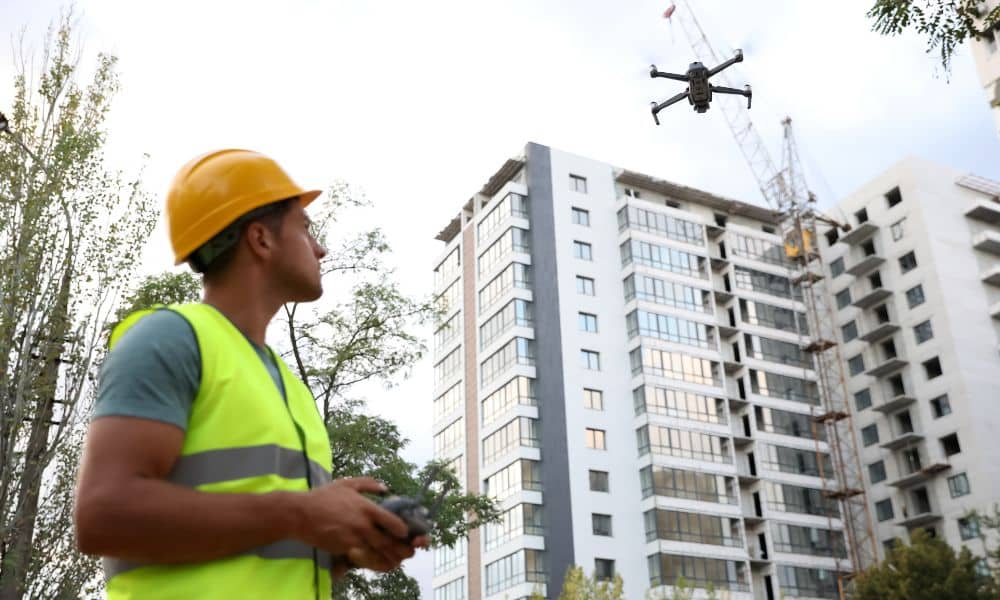
Kansas City has seen a big rise in drone use across construction, engineering, and land development. Drones now appear on many job sites. They help teams check progress, inspect areas, and gather data. Because of this, expectations for land information have changed. Today, developers no longer settle for simple aerial photos. Instead, they want clear and accurate terrain models that help them plan better. This shift explains the growing demand for lidar mapping Kansas City developers now rely on to build safer and smarter projects.
Drones make data collection faster. However, speed alone does not solve project problems. Accuracy matters more. Without clear elevation data, even the best drone footage cannot prevent design mistakes. Because of this, many developers now choose LiDAR mapping instead of basic drone surveys.
Kansas City’s Drone Scene Is Changing How Development Teams Work
Drone use across Kansas City continues to grow. More training programs appear each year. Contractors invest in better drone systems. Engineers also add aerial tools into their daily work. As a result, teams collect site data faster, safer, and with fewer people on the ground.
At the same time, competition in Kansas City’s real estate and construction markets keeps rising. Projects move on tight schedules. Budgets leave little room for error. Because of this pressure, developers need better tools to understand land conditions early.
While drone flights capture large areas quickly, raw images alone do not provide enough detail. Therefore, developers now turn to lidar mapping to produce accurate and useful terrain data.
Why Basic Drone Surveys No Longer Meet Developer Needs
Many people think any drone flight produces good survey data. In reality, this belief often leads to costly mistakes. Drone photos and simple mapping focus on looks, not precision. While these images look sharp, they often fail to show true elevation.
Kansas City’s landscape includes hills, trees, and dense building areas. These features make it hard for photo-based models to stay accurate. Trees block views of the ground. Shadows also affect depth. Because of this, surface models built from photos often contain errors.
LiDAR technology solves these problems. Instead of using photos, LiDAR sensors send laser pulses to the ground. They then measure how long the pulses take to return. This method captures true elevation, even through trees and brush. As a result, developers receive clean ground surfaces that support better design choices.
Because of these benefits, developers now depend on professional LiDAR mapping for serious projects.
What’s Driving Demand for LiDAR Mapping in Kansas City
Several local factors explain why LiDAR use continues to grow.
First, Kansas City keeps seeing dense development. Many new projects fit into tight spaces. In these areas, even small grading mistakes cause big problems. Accurate terrain models help reduce this risk.
Second, stormwater control plays a major role in project approval. Small slope errors can lead to drainage failure. Because LiDAR mapping shows small changes in elevation, engineers can design better drainage systems.
Third, construction costs continue to rise. Developers now look for ways to avoid redesign, waste, and delays. High-quality LiDAR data helps teams plan earthwork better and reduce mistakes.
Finally, city rules now demand more accurate documents. Review teams expect clear terrain models for grading and drainage. LiDAR mapping meets these needs with confidence.
Where LiDAR Mapping Delivers the Greatest Financial Impact
LiDAR mapping does more than create 3D images. It directly affects project budgets and schedules.
During early planning, accurate surface models help engineers design better grading plans. This reduces soil movement and lowers hauling costs. At the same time, early land insight improves layout choices, which helps prevent costly redesign.
In stormwater planning, LiDAR data shows how water moves across a site. With this clear view, engineers design drainage systems that work properly from day one.
Utility planning also improves with accurate terrain data. Clear surfaces help teams avoid underground clashes, which prevents delays and extra costs.
Finally, contractors rely on LiDAR-based quantities to prepare tighter bids. Better estimates reduce risk and support smoother scheduling.
Turning Drone Flights Into Engineering-Ready Terrain Models
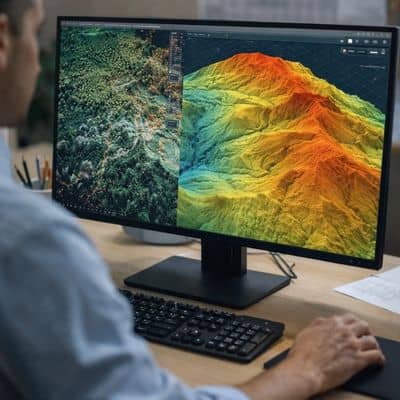
Although drones collect raw data, skilled processing turns that data into usable surfaces. This step requires special tools and careful review.
Survey-grade LiDAR mapping includes ground detection, tree filtering, surface smoothing, and strict quality checks. Each step ensures steady accuracy across the site.
Without proper processing, surface models can hide errors. These problems often appear only during construction. By then, fixes become costly and disruptive.
Because of this risk, skilled LiDAR teams focus on quality control. By checking accuracy early, they protect designers and builders from costly mistakes.
Why Developers Now Expect LiDAR Deliverables
Developer expectations continue to rise as technology improves. Today, teams expect land data that works smoothly inside design software and building systems.
They want clear surfaces, reliable contours, clean digital files, and steady elevation accuracy. Because LiDAR mapping delivers these results, developers now treat it as a normal project need instead of a premium service.
At the same time, engineers need strong data when submitting plans for approval. LiDAR-based surfaces support design choices and speed up reviews, which reduces back-and-forth changes.
Common LiDAR Mistakes That Cost Kansas City Projects Time and Money
Even with strong tools, mistakes still happen when teams rush or cut corners. These errors often delay projects and raise costs.
Common issues include poor control placement, incomplete tree removal, wrong coordinate systems, and missing quality checks. Each problem affects surface accuracy and increases risk.
To avoid these problems, developers now choose providers with strong experience, careful review steps, and proven engineering workflows.
What to Ask Before Hiring a LiDAR Mapping Provider
Choosing the right LiDAR team protects budgets and schedules. Before hiring, developers should ask:
- Who checks the data for accuracy?
- What quality reports will I receive?
- How does the data fit into civil design software?
- What experience do you have with terrain?
- What accuracy standards do you promise?
Clear answers help teams avoid costly surprises.
Kansas City’s Drone Growth Signals a Lasting Shift in Development
The fast growth of drone use across Kansas City shows a deeper change in how development teams work. Developers now want precise land data early, not rough guesses later.
As a result, high-accuracy lidar mapping across Kansas City now plays a key role in planning, design, and construction success. Accurate terrain models lower risk, shorten schedules, and improve budgets.
As Kansas City continues to grow, developers who embrace LiDAR mapping gain a strong advantage. They build smarter, move faster, and face fewer surprises along the way.