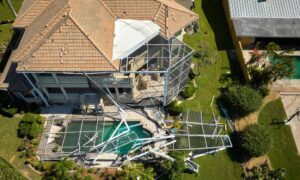
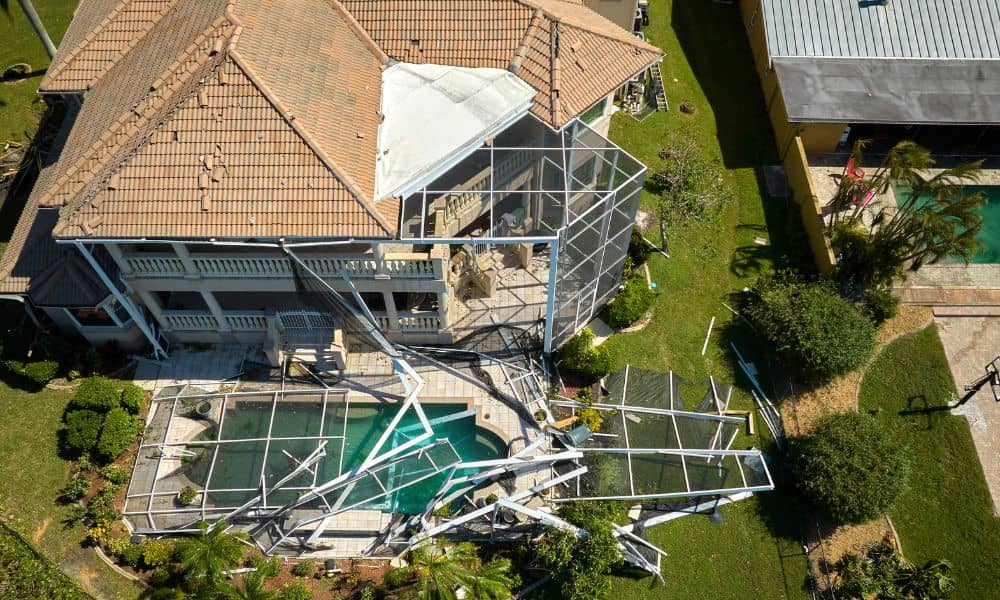
The storm may be over, but for many property owners, the real problems are just beginning. After strong winds and heavy rain, it’s easy to focus on what you can see right away. A fence is down. A tree has fallen. The yard looks messy. However, storms often change your property in ways that are not obvious at first. Because of that, many homeowners move straight into cleanup and repairs without fully understanding what actually changed. That’s where survey mapping comes in. It helps you see the full picture before you spend money fixing the wrong things. It gives you a way to get a clear picture of your property after the storm, so you’re not making decisions based on guesswork.
The Hidden Changes Storms Leave Behind
At first, your property may look mostly fine. Still, storms can quietly shift the land beneath your feet.
For example, heavy rain can wash soil away from certain areas. As a result, your yard may not drain the same way anymore. Water might start pooling in spots that were dry before. Over time, that can lead to bigger issues like foundation damage or standing water near your home.
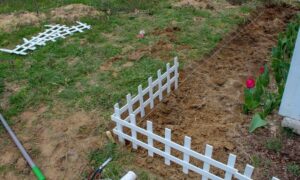
At the same time, strong winds can move objects you thought were fixed in place. Fence posts may lean or shift slightly. Even a small movement can place a fence outside its original boundary. In tight neighborhoods around St. Louis, that can quickly turn into a problem with neighbors.
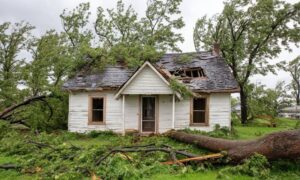
Fallen trees also create confusion. If a tree lands across a property line, it may not be clear who is responsible. Without accurate data, these situations can turn stressful fast.
So while the damage you see matters, the changes you don’t see can cost even more.
What Survey Mapping Actually Does
In simple terms, survey mapping shows you what your property looks like right now—not what it looked like before the storm.
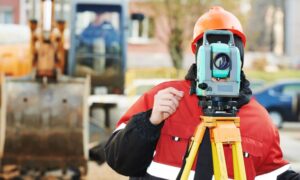
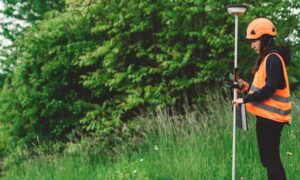
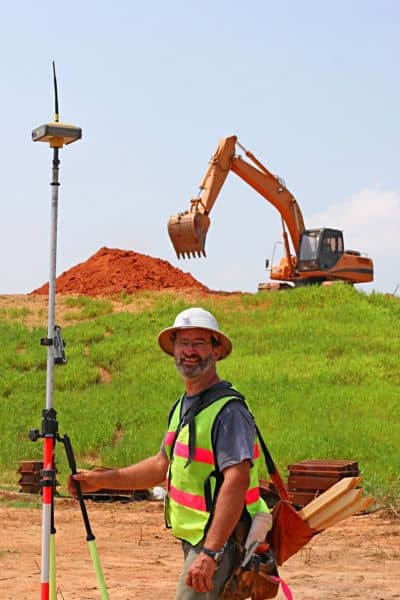
A surveyor visits your site and collects measurements using professional tools. Then, they create a detailed map that reflects the current condition of your land. This includes your boundaries, the slope of your yard, and the location of structures.
Because of this process, you get a clear and updated view of your property. Instead of guessing where things should be, you know exactly where they are. That level of clarity is what makes accurate survey mapping so helpful after a storm.
That clarity makes a big difference, especially after a storm. It allows you to make smart decisions before starting repairs.
Why Guessing Can Lead to Bigger Problems
Many homeowners rely on memory or old plans when fixing storm damage. While that may seem easier, it often leads to mistakes.
For instance, you might rebuild a fence where it “used to be,” only to find out later that it no longer sits on the correct boundary. Fixing that mistake can cost more than doing it right the first time.
In other cases, drainage issues get ignored. You may think the water problem is temporary. However, if the land has shifted, the problem can come back every time it rains.
Even worse, some repairs can create new issues. If a structure gets placed without checking the updated layout, it may block water flow or cross into a neighbor’s property.
Because of these risks, guessing after a storm often leads to double work and added stress.
How Survey Mapping Helps You Recover the Right Way
Instead of relying on assumptions, survey mapping gives you solid information to work with.
First, it helps you confirm your property boundaries. That alone can prevent disputes, especially when fences or trees are involved.
Next, it shows how your land has changed. You can see new slopes, low spots, and drainage paths. With that information, you can fix water problems before they cause damage.
It also helps guide contractors. When builders have accurate data, they can place fences, driveways, and other features in the correct location. That means fewer mistakes and smoother projects.
As a result, you don’t just repair your property—you improve it with confidence.
Why Storm Recovery in St. Louis Requires Extra Attention
St. Louis has unique conditions that make storm recovery more complex.
Many neighborhoods have older properties with unclear or aging boundary markers. Over time, these markers can become hard to find or unreliable. After a storm, that adds another layer of uncertainty.
In addition, the mix of flat and sloped land across the area affects how water moves. Heavy rain can quickly change drainage patterns, especially in yards with clay soil. That makes it harder to predict where water will go after a storm.
Because homes often sit close together, even small changes can lead to bigger issues. A shifted fence or altered drainage path can impact neighboring properties.
For these reasons, property owners in St. Louis benefit more from having accurate, updated information before starting repairs.
Why Insurance and Contractors Don’t Catch Everything
It’s common to assume that insurance or contractors will handle all the details. However, their focus is different.
Insurance adjusters usually look at visible damage. They assess what needs to be repaired or replaced. They do not measure boundaries or analyze land changes.
Contractors, on the other hand, often rebuild based on what they see. If the ground has shifted, they may not notice without proper data.
Because of this, important changes can go unnoticed. That’s where survey mapping fills the gap. It provides the precise information needed to make sure everything is done correctly.
The Cost of Skipping Survey Mapping
Skipping this step may save time at first, but it often leads to higher costs later.
Rebuilding a fence in the wrong place can lead to disputes and rework. Ignoring drainage changes can result in water damage over time. Placing structures without accurate measurements can create long-term problems that are expensive to fix.
In many cases, homeowners end up paying twice—once for the initial repair and again to correct the mistake.
Because of that, taking the time to understand your property upfront can save both money and stress.
Rebuild with Confidence, Not Guesswork
Storms can leave behind more than visible damage. They can change the shape, flow, and layout of your land in ways that are easy to miss.
That’s why survey mapping plays such an important role in recovery. It gives you a clear view of your property as it stands today, not as it used to be.
Before you rebuild, it’s worth making sure everything is in the right place. With the right information, you can avoid costly mistakes, protect your investment, and move forward with confidence.
In the end, the goal is simple. Fix the damage once—and fix it the right way.