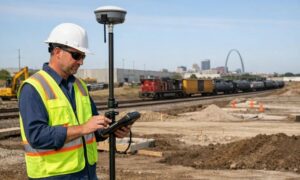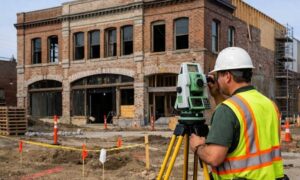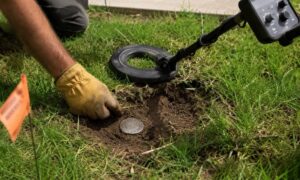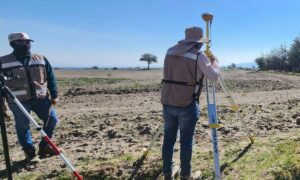
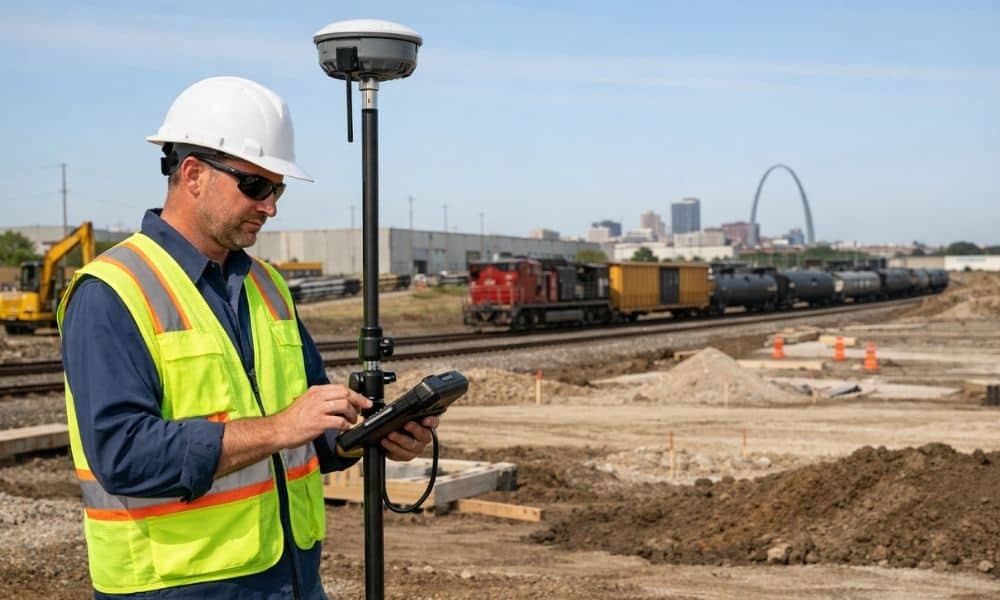
Land surveying helps buyers find easements, access rights, and property lines before buying land near freight corridors. In Missouri, especially near St. Louis, this matters for developers who need to know what they can build before closing.
Why Freight Corridors Can Affect More Than Traffic Patterns
Land surveying is one of the first steps a developer should take before buying property near freight corridors. It is not just about knowing where your lot ends.
St. Louis is a major freight hub. Rail lines, truck routes, and cargo yards run through and around the region. New freight projects are already being planned and built.
All of that activity affects nearby land. Properties close to rail lines or freight yards may have conditions you cannot see from the road. A survey shows you what is on the ground, not just what the listing says.
Buyers who skip this step often find problems after closing. Easements or access limits can restrict how a site is used. A survey gives you that picture before you sign.
The freight and logistics industry in Missouri keeps growing. That brings more chances to develop. It also brings more things to watch out for.
Questions About Existing Easements and Railroad Rights-of-Way
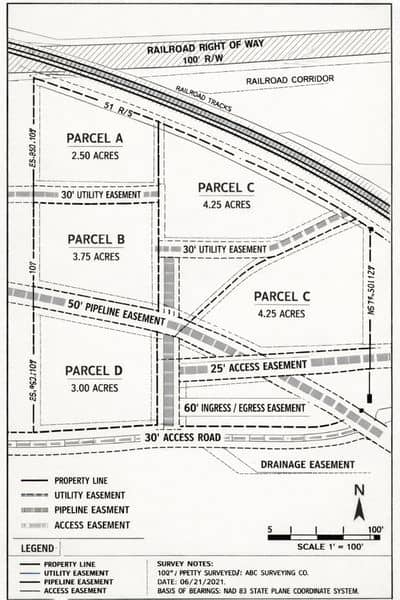
Some properties near freight corridors have railroad easements or utility rights-of-way that cross the land. A survey finds these areas so buyers know what they are getting before they close.
Before buying near a rail line or freight hub, ask these questions:
- Does a railroad easement cross this property?
- Are there utility lines or corridors running through the site?
- Does anyone else have access rights to this land?
These are real concerns, not rare ones. Railroad rights-of-way can reach onto private land. Utility corridors can cut through a parcel you planned to build on. Some of these are in public records but hard to find without help.
A land survey maps all of this. It shows where an easement starts and stops. It tells you if a building plan would conflict with an existing right-of-way.
You cannot build over an easement. If one crosses an important part of your site, your plans will have to change.
Finding this out before closing costs much less than finding it during permits.
Can Future Infrastructure Projects Change Nearby Land Use?
Freight growth projects near St. Louis may bring new roads, rail lines, or utility work that changes how nearby land is used. A current survey helps buyers see what exists today and plan for what might change nearby.
St. Louis continues to invest in freight infrastructure. New roads may be coming. Rail connections may grow. Utility upgrades may follow.
These changes do not just affect the land being worked on. They affect nearby parcels too. A road widening can change how you access your site. A new rail spur can shift traffic around it. A utility project can run new lines through land next to yours.
You cannot always know what will happen. But a current survey gives you a starting point. You know what is on the ground right now. You can see how your lot fits with the land and infrastructure around it.
Looking at a survey along with public planning records gives you a fuller picture. That helps developers make better choices about when and how to build.
A licensed surveyor who knows the local freight corridor area can help you make sense of what the survey shows.
Are There Hidden Access Areas Used by Utilities or Transportation Agencies?
Service roads, drain channels, and maintenance paths can exist on or near commercial and industrial land. You may not see them during a site visit, but a land survey will show them.
Not everything shows up when you walk on a property. Some access roads are overgrown. Some maintenance paths are paved but have no signs. Some drainage easements run through the back of a site with nothing marking them.
Ask your surveyor to look for:
- Service roads that cross or touch the property
- Drain channels and stormwater easements
- Maintenance paths used by utilities or transport agencies
- Any shared access with nearby landowners
These features affect where you can put buildings, parking, or loading areas. They can also affect who has to maintain what.
Land near freight corridors is more likely to have these features than a typical suburban lot. Rail access paths, utility lines tied to nearby warehouses, and stormwater systems near large paved areas all tend to appear in these zones.
A good survey makes them visible. You go into the purchase knowing what is there.
Why Industrial Growth Makes Accurate Survey Records More Valuable
More warehouse, logistics, and manufacturing growth near St. Louis means more demand for industrial land and higher stakes on every deal. Accurate survey data gives buyers a clear, verified picture before they invest.
Industrial real estate in Missouri is busy. Warehouse and distribution buildings have been going up near St. Louis at a steady pace. Logistics and manufacturing companies keep looking for sites with freight access.
That demand makes buyers move fast. Moving fast can mean skipping steps that matter. Survey records are one of those steps.
When land near freight corridors sells often and at higher prices, mistakes cost more. A missed easement, an unmarked access path, or a wrong boundary line can turn a good deal into a costly problem.
Survey records show buyers exactly what they are purchasing. That helps with financing, permits, and long-term plans.
Having survey data ready early helps developers work faster. It gives you better facts when talking terms. And it protects you if a dispute comes up after closing.
Near St. Louis, where freight is growing and industrial land is in demand, having that clear picture is not optional. It is part of doing the job right.
Frequently Asked Questions
1. Why is land surveying important before buying property near freight corridors?
Land surveying finds easements, access rights, and physical features that affect how you can use the land. Near freight corridors, these features are more common and more likely to change your plans.
2. Can railroad rights-of-way extend onto private property?
Yes. Some properties have railroad easements or nearby rights-of-way that reach onto the land. A survey helps buyers find these features before they close.
3. Does freight expansion in St. Louis affect nearby landowners?
Yes. Large freight and transport projects can change how nearby land is used, how it is accessed, and what can be built on it. Buyers should look into regional plans before purchasing.
4. Can a survey show hidden access corridors?
Yes. A survey can show utility paths, maintenance areas, service roads, and drain easements that are not easy to spot during a site visit.
5. Should buyers request land surveying before purchasing industrial or commercial property?
Yes. Getting survey data before closing helps buyers understand the physical and legal details of the property. Near freight corridors, this step is especially worth doing.