Most people don’t expect a small strip of grass to send them to court. Yet that’s exactly what happened in West Peoria, Illinois. Two neighbors spent seven years fighting over who owned a 100-foot by 188-foot patch of land. The whole conflict could have ended early if someone ordered a property survey before building or making changes. And while this story happened outside Missouri, it’s a warning for many homeowners who live on narrow lots and share tight boundaries.
The truth is simple: small mistakes around property lines grow fast. One fence, one shed, or one driveway placed a few inches in the wrong spot can turn into a huge problem. And once emotions rise, most neighbors stop talking and start calling attorneys. No one wants that, and the good news is you can avoid it. You only need to understand how these conflicts start and how a property survey stops them before they take over your life.
How Boundary Problems Start in Everyday Neighborhoods
Disputes rarely begin with bad intentions. They usually start with assumptions. One homeowner thinks the fence marks the true line. Another one trusts a sketch they got at closing. Someone else remembers what a previous owner said about “where the yard ends.” Over time, these small beliefs grow into “facts,” and that’s where trouble begins.
St. Louis has many older neighborhoods with narrow lots, odd shapes, and long histories. Many lots were drawn decades ago, and the original markers no longer exist. Because of this, even simple projects can create confusion. A new garage sits too close to the alley. A fence leans into a neighbor’s yard. A retaining wall cuts across a property line. At first, no one notices. Then one day a contractor measures something, a new owner moves in, or a neighbor questions a corner—and everything changes.
Once one side feels their space shrinks, even by a few inches, the relationship shifts. People dig through old papers and search online for answers. They look at outdated surveys and try to match them to what they see outside. Soon, both sides feel right and feel wronged at the same time. That’s when a simple misunderstanding grows into a conflict that no one wants.
How a Simple Project Turns Into a Long Legal Fight
Conflicts around property lines often follow the same pattern. It starts with a small project. Someone puts up a fence, adds a shed, or extends a driveway. They feel confident because the old fence “always looked right” or because a past owner said, “This is where the line is.” They finish the project, and everything seems fine—until a neighbor disagrees.
Then comes the back-and-forth. One side pulls out a closing document. The other side shows an old plat. Someone says a previous owner gave permission years ago. No one agrees on anything, and neither side wants to give up their yard. Soon, tempers rise. A surveyor enters the picture, but usually too late, after money is already spent. If the survey shows an encroachment, both sides feel trapped.
From there, the next steps feel predictable. Letters come from attorneys. Meetings feel tense. Each person believes they are defending their rights. No one wants to move the fence or tear down the project they paid for. And just like the West Peoria case, something that started with a simple misunderstanding becomes a long, draining fight.
How a Property Survey Prevents Problems Before They Begin
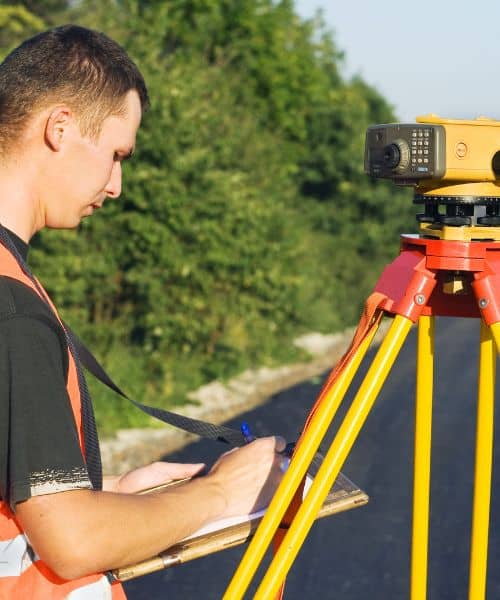
A property survey gives you clarity before any work begins. Instead of relying on guesses or old stories, you get precise lines on paper and visible markers in the yard. This makes every decision easier because you know exactly where your land starts and ends.
More importantly, a property survey gives you confidence before you spend money. You avoid putting a fence in the wrong place. You avoid building a shed too close to the neighbor’s garage. You avoid digging footings or pouring concrete where a future dispute might happen. With a clear map in hand, you can move forward with peace of mind.
A property survey also helps you talk to your neighbors without stress. When you show a clear drawing from a licensed professional, the conversation changes. You aren’t arguing. You’re simply sharing facts. And most neighbors appreciate that, especially in tight neighborhoods where small distances cause big problems.
Why Homeowners Face Added Risk
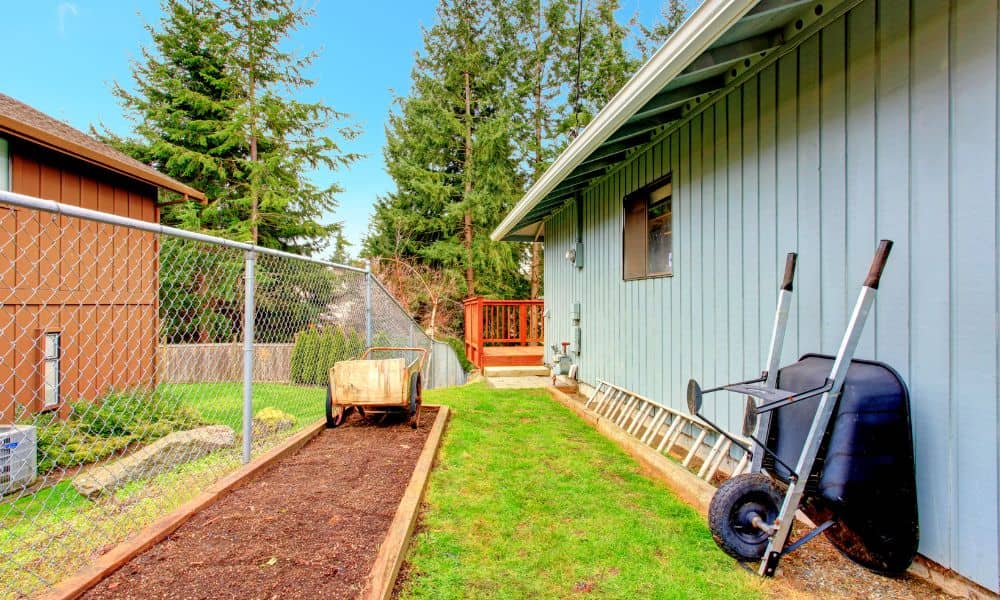
St. Louis has many unique layout challenges that make property line clarity even more important. Many homes sit on narrow lots with very little space between structures. In older areas, you often see garages built right along the alley line or fences squeezed between houses.
Shared driveways create another layer of risk. One family might park slightly over the center line without thinking about it. Over time, both sides assume the shared pavement sits exactly on the boundary. But once a new project begins, that assumption can fall apart.
Sloped yards and retaining walls add more issues. A wall built a few inches on the wrong side can disrupt drainage, damage landscaping, and spark frustration fast. And because many of these walls last decades, the exact line often gets lost in the process.
With all these challenges, homeowners need more certainty, not less. A property survey offers that certainty.
The Cost: A Few Hundred Dollars Now or Thousands Later
No one wants surprise expenses, but here’s a simple truth: a property survey costs far less than a dispute. In St. Louis, many residential surveys fall somewhere between a few hundred and just over a thousand dollars, depending on the lot. Meanwhile, attorney fees often start at several hundred dollars per hour. Court filings, mediation, and rebuilding projects add even more. A single mistake can easily reach five figures.
Beyond money, disputes drain time and energy. They damage relationships with neighbors. They create stress at home. And they can affect property value if the issue appears on public records. A property survey, on the other hand, gives you clarity without any conflict.
Are You at Risk? Here’s What to Watch For
You should consider getting a property survey if you plan to replace a fence, add a structure, expand a driveway, or start major landscaping near the edge of your yard. You also need one if your neighbor starts a project close to your side. And if your lot has strange angles, old markers, or unclear lines, a survey gives you the answers you need before things turn messy.
Even if nothing big is happening now, a survey offers long-term protection. It confirms your boundaries and clears up any confusion for future projects or sales.
Talk to Your Neighbor Before Work Begins
Good communication makes everything easier. Instead of surprising your neighbor with a fence or project, tell them your plan and mention that you’re getting a survey. A simple line like, “I want to make sure everything is correct before we start,” sets a positive tone. Most people appreciate your honesty, and many will want to see the drawing too.
Final Thoughts:
The West Peoria story shows how fast a simple boundary misunderstanding grows into a long legal battle. Homeowners can avoid that path by taking one smart step before any project begins: order a property survey. It’s clear, simple, and protects your peace of mind. A little clarity now saves years of frustration later.