A roadside sign can be one of the most valuable features on a commercial lot. It pulls in traffic, marks the business, and holds a spot along the road that competitors would love to have. But the sign you see from the street may be tied to rights you cannot see. That gap between what is visible and what is recorded is where many buyers get caught off guard.
Why a Roadside Sign Can Be More Than a Visible Structure
A freestanding sign, a monument sign, or a tall pylon sign is easy to spot. What it means for the land underneath is not. A sign near the road may come with rights that let someone place it, reach it, fix it, or keep it maintained. Those rights can belong to a party other than the person who owns the ground.
These rights usually live inside a recorded easement. An easement is a legal right to use a piece of land for a set purpose, even when someone else owns that land. A signage easement might cover a small square of dirt at the corner of a lot, or it might include a path to reach the sign for repairs. The exact terms depend on the document that created it, not on how the sign looks.
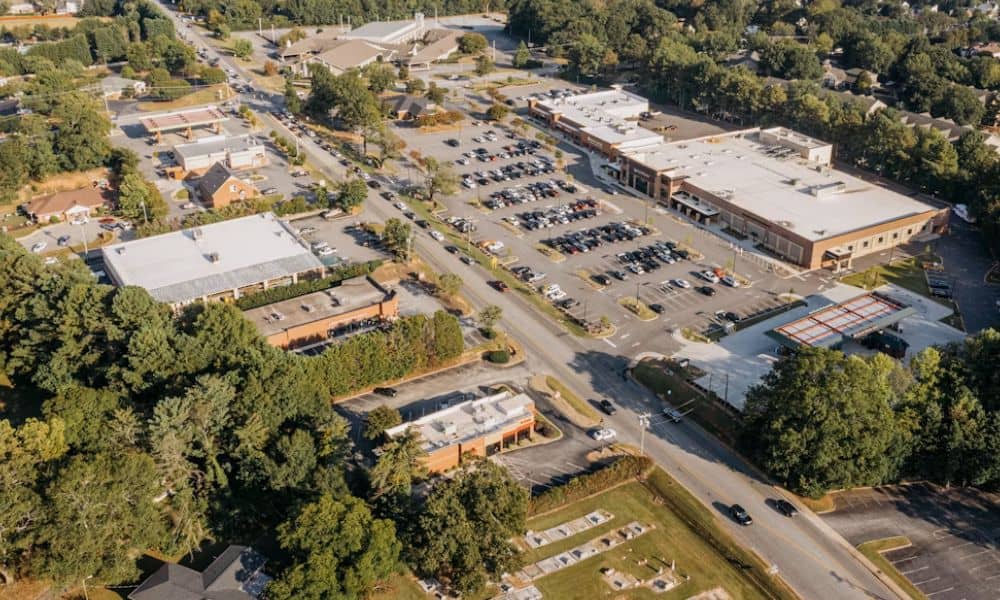
This matters along busy commercial corridors, where road frontage and visibility carry real value. That does not mean every parcel has a signage easement. It only means a survey should not guess what the sign arrangement allows. The recorded document is what answers the question.
What an ALTA Title Survey Can Show About a Signage Easement
An ALTA title survey pulls together the boundary, the improvements, and the recorded matters that affect a commercial parcel. The surveyor does not work from the site alone. Title documents, the title commitment, and other records handed to the surveyor shape what the survey can address. When a recorded easement applies to the property, it may be plotted or otherwise noted on the drawing.
Location is the key question. A signage easement means little until you can see where it sits in relation to the parcel lines. The surveyor tries to place the recorded right on the ground and compare it to what is actually there. Physical clues, like the sign itself, footings, or an access route, can help tie the paper to the site.
The survey does not rewrite the easement or decide what it legally allows. It shows the spatial picture and leaves the legal reading to the documents and the professionals reviewing them. The 2026 ALTA/NSPS Land Title Survey standards speak directly to easements, and they call for certain treatment when a surveyor learns of a recorded easement that was not in the title evidence. Because of this, the survey needs to line up with the title commitment and the recorded documents behind it. An ALTA title survey does not automatically catch every possible signage right. Its reach depends on the standards, the title evidence, the records available, and any optional items the parties request.
When a Signage Easement Occupies Valuable Roadside Space
The strongest reason to care about this shows up during development planning. A signage easement often sits in the exact strip a buyer wants to use. That front corner near the road is prime space for parking, access, or a new building pad.
Picture a developer planning a new store on a corner parcel. The survey may reveal that a signage easement holds part of the frontage. That can shape where the building goes, how the drive lanes run, and whether a planned improvement crowds the easement area. If the existing sign carries access or maintenance rights, someone may have a legal reason to enter that strip.
None of this means development is blocked. A signage easement does not automatically stop a project. Its real effect comes from the recorded rights, the restrictions, the location, and any local requirements that apply to the site. The survey gives the spatial layout so the buyer, the design team, and their advisors can weigh the easement against the plan.
The Sign May Be Easy to See, but the Easement Is Not
A buyer can drive past and read the sign in two seconds. The legal arrangement behind it takes far longer to sort out. Seeing a sign does not tell you who holds the rights, how large the easement is, or what the holder is allowed to do.
The sign’s physical spot does not set the boundary or the scope of the easement. The recorded document does that. That document may hold a written description, conditions, or specific rights that need to be checked against the surveyed parcel. A survey shows the property in space, while the recorded records establish the legal rights.
Because of that split, the people in a deal often need to work together. Buyers, lenders, title professionals, and surveyors each hold a piece of the picture. Relying only on what shows up from the road can leave a real gap in what a buyer thinks they are getting.
Questions to Resolve Before Closing on a Roadside Commercial Parcel
Before a commercial deal closes, a few plain questions can save trouble later. Run through them with your survey and title materials in hand:
- Is the signage easement shown or otherwise addressed on the survey?
- Which recorded document created the easement?
- Where does the easement sit in relation to the property lines?
- Does the document spell out specific rights or restrictions?
- Are there physical features, like footings or an access path, tied to the easement?
- Does the deal call for a current ALTA/NSPS Land Title Survey?
- Are the title company, lender, attorney, surveyor, and buyer all working from the same information?
- Could the planned use of the property need review beyond the survey?
Work through these while there is still time to act. A survey is a strong tool for showing the layout, but it is not legal advice. The legal effect of a signage easement should come from the governing documents and, when needed, a review by legal counsel and title professionals.
Frequently Asked Questions
Does an ALTA title survey automatically show a signage easement?
Not always. The surveyor works from the survey standards, the title evidence, and the other records available for the job. If a recorded easement is found and applies to the parcel, it may need to be shown or otherwise addressed under the standards. When the document is not part of the title evidence, the treatment can differ, which is why coordination with the title commitment matters.
Does seeing a roadside sign prove that a signage easement exists?
No. A sign on its own does not prove the existence, location, or legal scope of an easement. The recorded documents and other evidence have to be reviewed to know what rights actually apply. A sign can even stand on a lot with no easement at all, so the paper trail is what settles it.
Can a signage easement affect where a commercial building is placed?
It can, depending on the location and terms of the easement and the improvements you plan. The survey can show how the parcel, the easement, and existing features line up in space. The legal effect, though, should be read from the governing documents and, when it makes sense, confirmed with legal counsel. That review helps a buyer plan around the easement instead of running into it later.