A billboard can bring steady rent to a commercial parcel for decades. It can also tie up part of the site, limit what gets built, and give an outside company the right to cross your land. Buyers and lenders who skip a close look at the sign often find those limits after closing, when they’re much harder to fix. An ALTA land title survey, the detailed boundary survey built to national standards for commercial deals, is one of the best ways to see how a billboard lease shapes the property before you commit.
How Billboard Leases Affect Commercial Property Rights
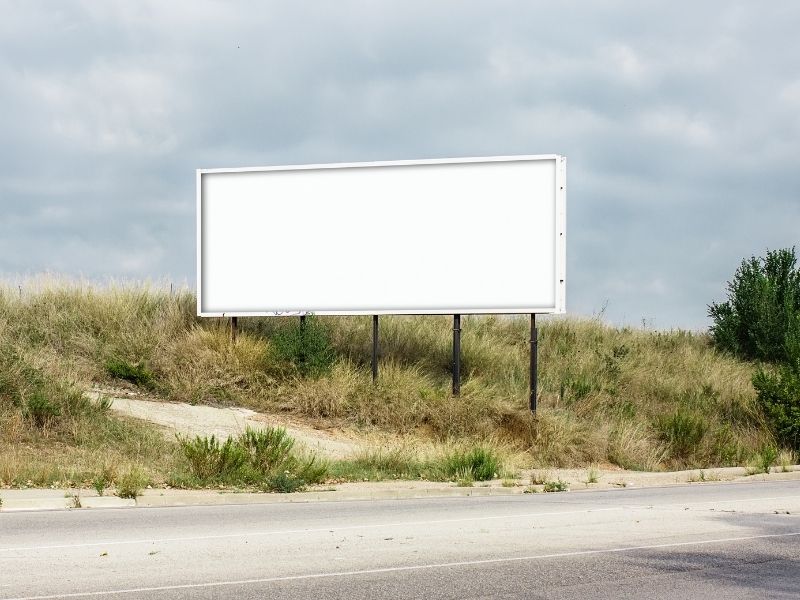
A billboard lease gives an outdoor advertising company the right to keep a sign on part of your land. The company usually owns the structure, and you own the ground under it. The lease may also grant rights that reach past the sign’s footprint. These can include access for repairs, a route for power lines, and a promise that nothing will block the sign’s view from the road.
Those extra rights often matter more than the rent check. A visibility clause might stop you from planting tall trees or building in front of the sign. Many leases appear in public records only as a short memorandum of lease, which names the parties without listing every term. That’s why you’ll want to read the full lease alongside the survey and title commitment.
What an ALTA Land Title Survey Reveals About Billboard Locations
An ALTA survey shows exactly where the billboard sits and how it relates to the boundary lines. The surveyor locates the structure, its supports, and related features found in the field. Older leases sometimes describe the sign site in loose terms, like “an area near the northeast corner.” The real sign may sit somewhere else, or it may cross a property line, a setback, or a recorded easement.
Clients can also request optional Table A items under the ALTA/NSPS standards. These add-ons can cover things like utility locations, setback information, and substantial features observed in the field. Lenders and title companies often have their own required list, and it can vary from deal to deal. Ask for those requirements early so your surveyor can price and schedule the work correctly.
Reviewing Access Easements and Utility Rights for Existing Billboards
Billboards need power and regular service, so the sign company usually has some right to reach the structure. The survey plots recorded easements listed in the title commitment when they can be located on the ground. It also shows physical signs of use, like worn drives, gates, or overhead lines, that may point to unrecorded rights. A power line feeding the sign could cross the exact spot where you planned a new building.
During this review, check a few things:
- Compare the access route in the lease to the route shown on the survey.
- Confirm whether utility lines to the sign follow a recorded easement.
- Note any gates, drives, or poles that serve only the billboard.
How Billboard Lease Agreements Can Affect Future Site Development
A billboard that causes no trouble today can become a problem once you plan to build. The structure takes up land, its foundation sits in the ground, and the lease may protect its view. If a new building, monument sign, or driveway lands in the wrong place, you could face a lease dispute. Some owners end up redesigning a whole project around a single sign.
Read the relocation and removal terms closely. Some leases let the owner move the sign with notice, while others make removal slow or costly. Billboard permits are also regulated, and a sign that’s moved may not be allowed back in the same form. Pairing the ALTA survey with a topographic survey gives your design team a base map that shows grades, drainage, and the billboard in one place.
ALTA Survey Considerations Before Purchasing or Financing the Property
Order the survey early in your due diligence period. Survey work, title review, and lease review all feed into each other, and a delay in one can push back closing. Requirements can vary by lender, title company, property type, and project scope. Confirm the scope with everyone involved before fieldwork starts.
Give your surveyor the billboard lease, any memorandum of lease, and the title commitment with its recorded documents. That lets the surveyor compare the written terms to what’s on the ground. An attorney should still review the lease, since a survey shows where things are but can’t tell you what the contract means. Getting both reviews done before closing gives you a much clearer picture of what you’re buying.
Frequently Asked Questions
Does an ALTA land title survey show the billboard lease area?
The survey shows the billboard structure and related features the surveyor observes. If the lease area appears in a recorded document listed in the title commitment, the surveyor can often plot it. Unrecorded lease terms usually won’t show up unless you provide the lease. Sharing it early helps the surveyor map the sign site accurately.
Can a billboard lease stop me from building on my property?
It can limit where and how you build, depending on the terms. Visibility clauses may restrict buildings or landscaping in front of the sign. Access and utility rights can also take up land you planned to use. Have an attorney review the lease while the survey shows where those rights fall.
Who pays for the ALTA survey on a billboard property?
The buyer or borrower usually pays in a sale or refinance. Some purchase contracts shift the cost to the seller or split it. The sign company rarely pays unless a separate agreement says so. Check your contract and loan terms to confirm.
What if the billboard sits over the property line?
Catching an encroachment before closing gives you time to deal with it. Options may include a boundary agreement, moving the sign, or a title exception. The right fix depends on the lease, the neighbor, and local rules. Talk with your title company and attorney as soon as the survey flags it.
How long does an ALTA survey take for this type of property?
Timing depends on site size, the Table A items requested, and how fast records can be gathered. A simple parcel may take a few weeks, while larger sites take longer. Billboard properties can add time if lease or easement records are hard to find. Order early so the survey doesn’t hold up your deal.